
Edge Colocation: When Regional Markets Beat the Big Hubs
Edge colocation means placing equipment in regional or secondary markets close to the users, devices or sites it serves, instead of only in the largest hubs. It makes sense when latency, local regulations, backhaul costs or local resilience matter. Verify carrier diversity, power redundancy and remote hands in each regional building, because quality varies more than in major hubs.
By DataCenter Hunter
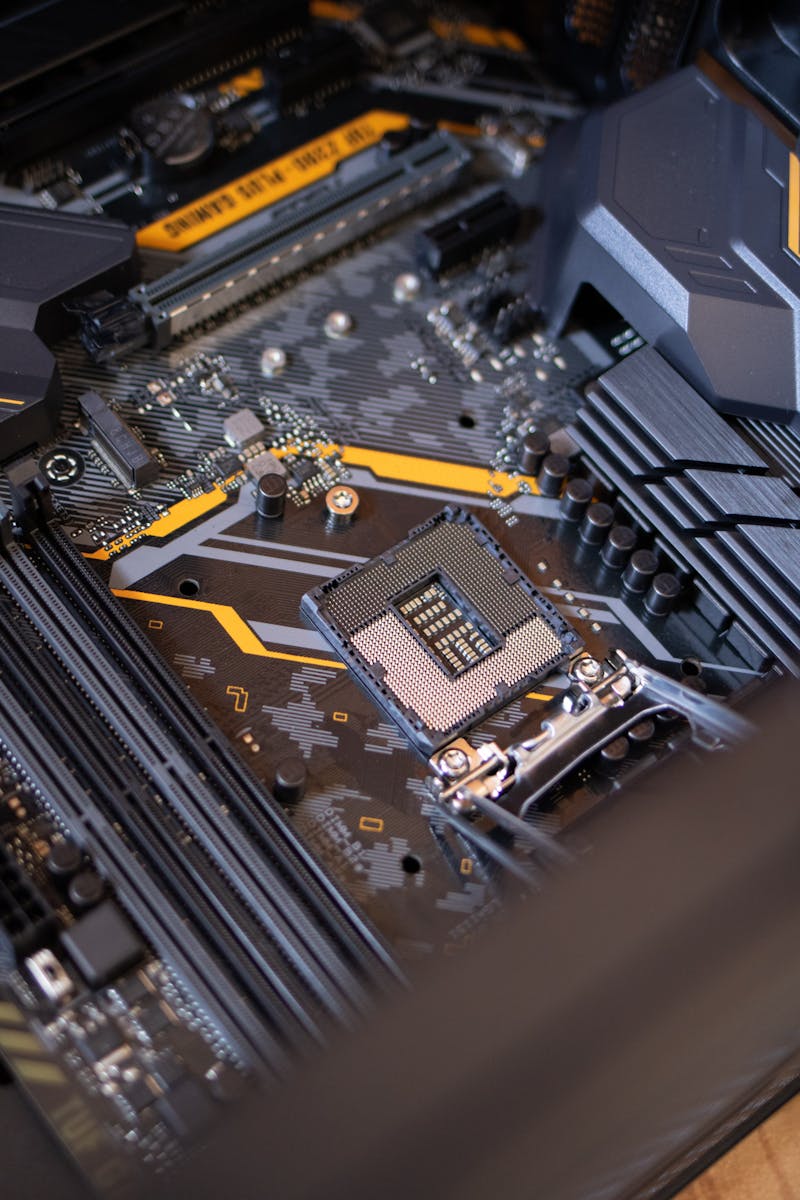
What edge colocation means in practice
"Edge" means different things to different vendors. For a colocation buyer, it usually means renting space in a regional market, such as a mid-sized city near your users, branches or customers, rather than concentrating everything in one of the largest interconnection hubs.
An edge site is still a colocation facility: you rent space, power and connectivity and manage your own equipment. The difference is location and scale. Regional facilities are often smaller, serve a local business community and connect back to major hubs over carrier networks.
When an edge site makes sense
Latency to local users or devices
Applications that respond to people or machines in a specific region, such as healthcare systems, retail, manufacturing, local government and content delivery, can benefit from shorter network paths. If most of your users are in one region, a site in that region can improve responsiveness.
Backhaul and bandwidth
Sending large volumes of local data to a distant hub and back costs bandwidth and adds delay. Processing or caching data regionally can reduce the volume you carry over long-haul circuits.
Local resilience
A regional site can keep local operations running if links to a distant hub are disrupted. It can also act as a second site for organizations whose primary data center is in the same region but a different building or utility area. If recovery is the main goal, see Disaster Recovery Colocation.
Data location requirements
Some organizations prefer or are required to keep certain data within a state or region. A local facility can make that simpler, though compliance still depends on your full architecture. See Colocation Compliance & Certifications.
When a major hub is still the better choice
- Your users are spread nationally or globally.
- You need dense interconnection with many carriers, clouds and partners in one building.
- You need very large or high-density footprints.
- Your team can reach the hub easily and has no regional presence.
Many organizations use both: core infrastructure in a hub, regional edge sites for local workloads. Our post on choosing between two metros covers how to weigh markets against each other.
What to verify in a regional facility
Regional facilities vary more in design and services than large hub buildings. Check each one directly.
| Area | What to verify |
|---|---|
| Carriers | Which carriers are on-net in the building, and whether routes out of the city are physically diverse |
| Cloud access | Whether cloud on-ramps are in the building or reachable over a carrier link to a hub |
| Power | Utility feeds, UPS and generator design, fuel arrangements and maintenance practices |
| Cooling | Supported density in the room you would use |
| Remote hands | Hours of coverage, scope and response commitments |
| Certifications | Which reports cover this specific building |
| Growth | Space and power available for expansion |
The Carrier-Neutral Data Center guide explains why carrier choice matters, which is even more important in smaller markets with fewer networks. For power design, see Colocation Power Redundancy.
Regional markets to explore
DataCenter Hunter lists facilities in many regional markets as well as the major hubs. Examples include Boise, Oklahoma City, Tulsa, Sioux Falls, Baton Rouge and Birmingham. Several providers focus on regional and secondary markets, so these cities can offer more choice than buyers expect. Browse the full data center directory to see providers by market.
How to buy edge colocation well
- Define the purpose. Latency, backhaul, resilience or data location: each leads to different requirements.
- Keep the footprint lean. Edge sites are often a few cabinets or less. Size power from measured load.
- Standardize. Use the same hardware, configuration and runbooks across regional sites to simplify operations.
- Plan remote operations. Without local staff, remote hands quality and clear escalation paths matter.
- Connect back privately. Use private circuits or interconnection platforms to link edge sites with your hubs and clouds.
- Compare total cost. Include carrier circuits back to the hub, not just the space and power.
Next step
If you are considering regional sites, compare them with the hub option on the same requirements. Request quotes across regional and major markets, or book a consult to plan an edge footprint.
Frequently asked questions
What is edge colocation?
Edge colocation is renting data center space in regional or secondary markets close to the users, devices or sites your systems serve, rather than only in the largest interconnection hubs.
When should I use an edge data center instead of a major hub?
When latency to local users matters, when sending local data to a distant hub is costly, when you need local resilience, or when data must stay in a region. Major hubs remain better for national reach and dense interconnection.
Are regional data centers less reliable?
Not necessarily, but design and services vary more between regional facilities. Verify power redundancy, carrier diversity, cooling, remote hands and certifications for each building.
Can an edge site connect to the cloud?
Yes. Some regional buildings have cloud on-ramps, and others reach clouds through a carrier link or interconnection platform to a hub. Confirm the path and its cost for each facility.
How big is a typical edge colocation footprint?
Often small, from a partial cabinet to a few cabinets, though it depends on the workload. Size power from measured load and standardize equipment across sites.
Which markets work for edge colocation?
It depends on where your users are. DataCenter Hunter lists facilities in regional markets such as Boise, Oklahoma City, Tulsa, Sioux Falls, Baton Rouge and Birmingham, as well as major hubs.